
Hydrofluoric acid is a weak acid used primarily in industrial applications for glass etching and metal cleaning/plating. It is contained in home rust removers. Although technically a weak acid, it is very dangerous and burns can be subtle in appearance while having severe consequences.
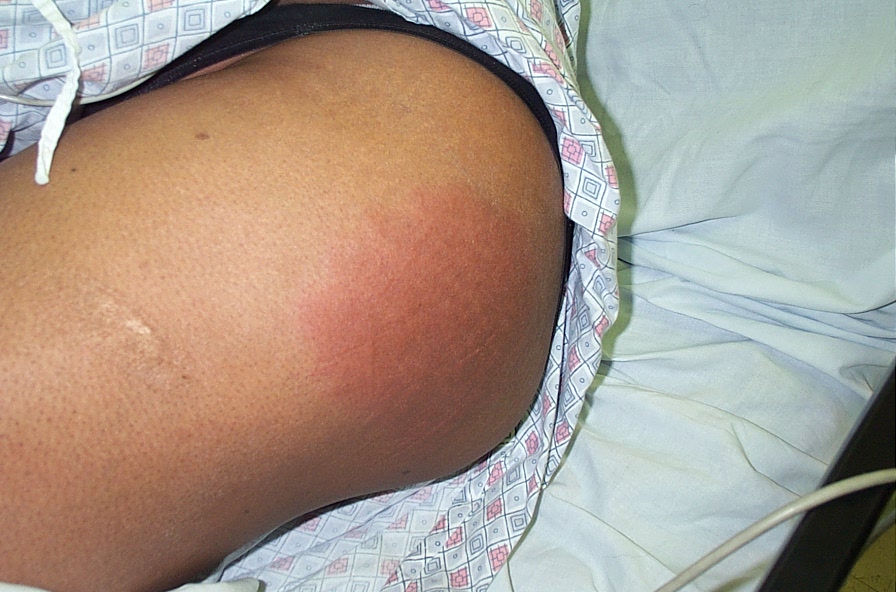
Wilkes G. Hydrofluoric Acid Burns. Jan 28, 2010.
http://emedicine.medscape.com/article/773304-overview
*Extracted from emedicine article.
Methods: A large retrospective case series evaluated 121 children under 6 years old with hypoglycemia from a sulfonylurea ingestion.
Results:
Authors' Conclusion: Octreotide administration decreases the number of hypoglycemic events and increases blood glucose concentrations in children with sulfonylurea ingestion.
Valproic acid (VPA) is often used to treat seizure disorder and mania as a mood stabilizer. The mechanism of action involves enhancing GABA effect by preventing its degradation and slows the recovery from inactivation of neuronal Na+ channels (blockade effect).
VPA normally undergoes beta-oxidation (same as fatty acid metabolism) in the liver mitochondria, where VPA is transported into the mitochondria by carnitine shuttle pathway.
In setting of an overdose, carnitine is depleted and VPA undergoes omega-oxidation in the cytosol, resulting in a toxic metabolite.
Elevation NH3 occurs as the toxic metabolite inhibits the carbomyl phosphate synthase I, preventing the incorporation of NH3 into the urea cycle.
Signs and symptoms of acute toxicity include:
Laboratory abnormalities
Treatment: L-carnitine
The pattern of prescription drug abuse continues to center around semisynthetic opioids like oxycodone and hydrocodone. Federal regulations have now raised hydrocodone to a schedule II drug like oxycodone. Despite efforts, the slope for natural and semisynthetic opioids remains steep. The ED measures of education, limit prescriptions for acute pain, minimize number of days/pills prescribed and utlize the prescription drug monitoring program are some basics that can assist you in better prescribing habits.
The pattern of prescription drug abuse continues to center around semisynthetic opioids like oxycodone and hydrocodone. Federal regulations have now raised hydrocodone to a schedule II drug like oxycodone. Despite efforts, the slope for natural and semisynthetic opioids remains steep. The ED measures of education, limit prescriptions for acute pain, minimize number of days/pills prescribed and utlize the prescription drug monitoring program are some basics that can assist you in better prescribing habits.
A 3 year old is bitten by a spider on his right ear which is causing him intense pain, tachycardia, and muscle cramping. Identify the spider. What is the treatment?